 MemoryMatching.com
Reaction & Reflex Games
Challenge your reaction time and reflex speed with our collection of free online reflex games. Measure how fast you can respond, train your brain, and track your progress - no sign-up and no download. Want more brain training? Explore our memory games.
How fast can you react?
Why Play Reaction & Reflex Games?
Why reaction time matters in everyday life
Reaction time is a key measure of how quickly your nervous system can respond to a stimulus. It's a fundamental cognitive skill that impacts many areas of life, from driving a car and playing sports to competitive video gaming. Training your reflexes with free reaction games online can lead to faster decision-making, improved focus, and enhanced hand-eye coordination. Our games provide a simple way to measure and train this vital ability.
About Our Reaction & Reflex Games
Explore each cognitive challenge
Reaction Time Test
The Reaction Time Test measures exactly how many milliseconds pass between a visual signal and your click - giving you a precise, repeatable score to track over time. The screen will change color, and your task is to click as quickly as possible. A simple but powerful test of your raw visual reflexes.
Stroop Effect Test
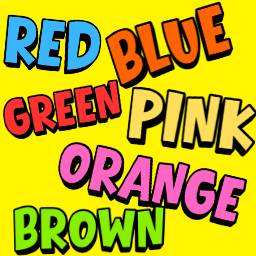
This classic psychological test challenges your brain's processing speed. You'll see the name of a color written in a different color (e.g., the word "Blue" printed in red ink). Your task is to identify the ink color, not the word itself. This creates cognitive interference and is a powerful test of selective attention and mental processing speed.
Free Simon Game
This reflex game tests both your reaction speed and your short-term memory. Watch the sequence of colors and sounds, then repeat it perfectly. With each successful round, the sequence gets longer and faster - pushing your memory recall and response time to the limit.